


We’ve covered a huge amount of ground in this series from CAP Theorem to Asynchronous Queues and Fanout-on-Write. Now that you understand the core concepts the next natural step is to deepen your knowledge with foundational reading.
Many candidates approach system design by memorizing interview answers. The best candidates approach it by reading the fundamental texts that taught the world how to build reliable systems.
Here is a curated list of books that are absolutely essential for any aspiring or practicing system architect.
The Absolute Must Read
If you only read one book in your system design journey it must be this one. It is the single best resource for understanding distributed systems and their trade offs.
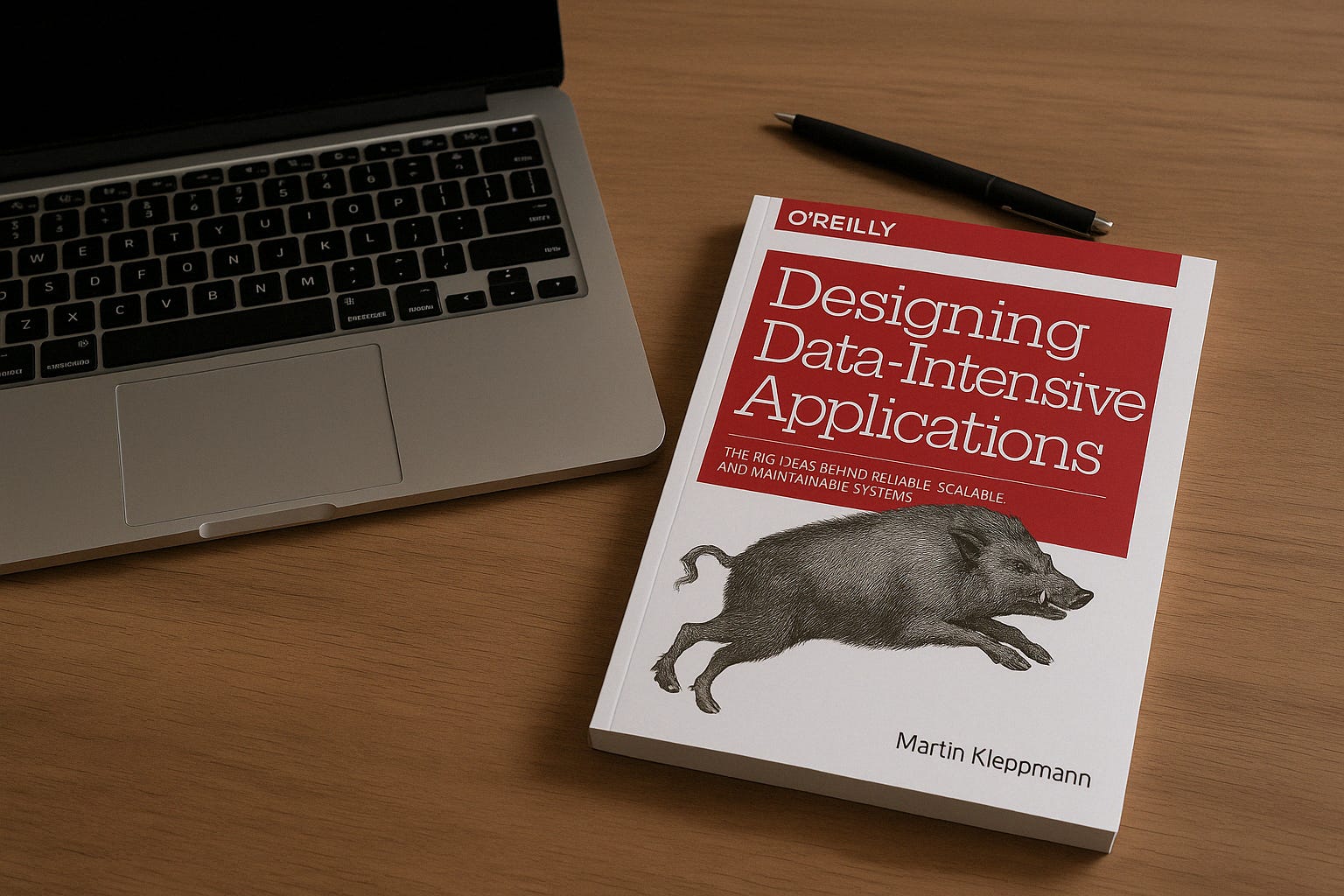
Designing Data Intensive Applications (DDIA) by Martin Kleppmann
What it teaches
This is the Bible of distributed systems. It doesn’t teach you how to design a specific product like Netflix but rather how to design the components that make up Netflix.
Key Topics
It dives deep into data modeling, storage engines, indexing, transaction consistency (ACID versus BASE), and the practical mechanics of replication and sharding.
Why it is essential
It clarifies the confusing world of databases (SQL vs NoSQL) and explains the practical trade offs between consistency and availability better than any other resource. If you want to move beyond surface level knowledge, start here.
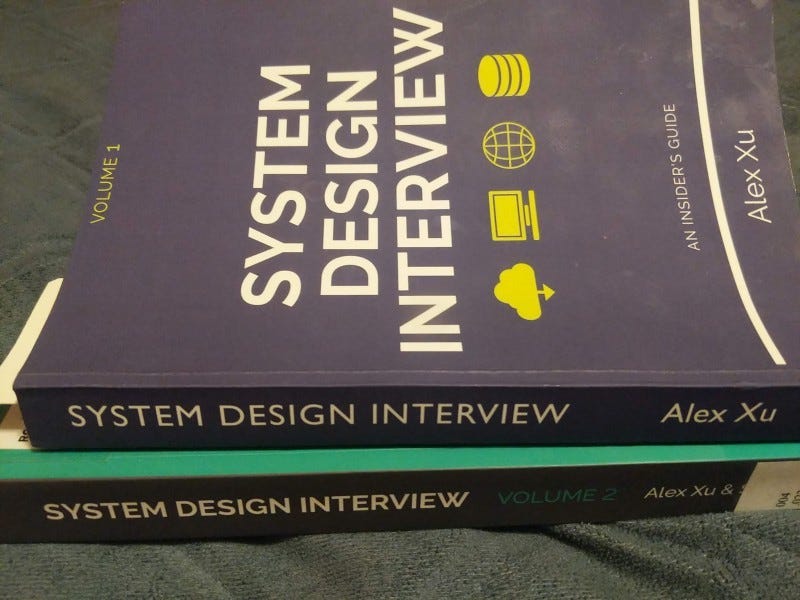
System Design Interview An Insider’s Guide by Alex Xu
What it teaches
While other books teach theory this one teaches you how to apply that theory in a high pressure interview setting.
Key Topics
Step by step walkthroughs for designing a URL shortener and a web crawler and a notification system and a rate limiter.
Why it is essential
It is particularly useful for learning the framework of an interview including how to ask the right questions and how to perform back of the envelope math.
Release It Design and Deploy Production Ready Software by Michael Nygard
What it teaches
This book moves beyond code to focus solely on reliability and fault tolerance in a live environment.
Key Topics
The Circuit Breaker Pattern and Bulkheads and Timeouts and Decoupling and common anti patterns that kill production systems.
Why it is essential
If you want to understand how to build systems that never crash or how systems recover instantly then this book is your guide.
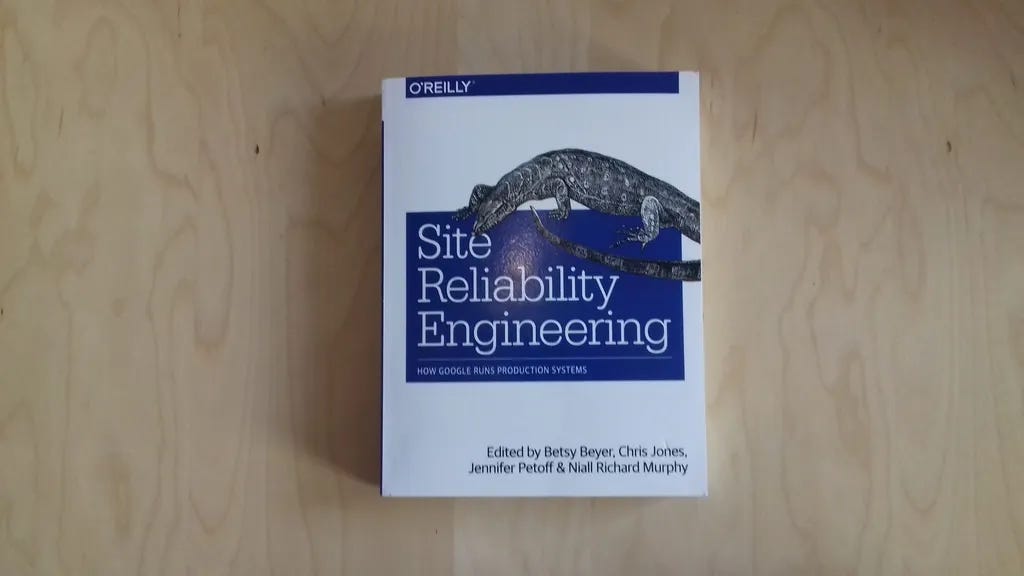
Site Reliability Engineering by Google SRE Team
What it teaches
This describes how Google manages its massive infrastructure and introduces the cultural shift of treating operations as a software problem.
Key Topics
Service Level Objectives (SLOs) and Error Budgets and Monitoring and Incident Response and Automation
Why it is essential
It teaches you that perfect reliability is actually a bad goal and shows you how to manage failure as a normal part of the system lifecycle.
Computer Networking A Top Down Approach by James Kurose & Keith Ross
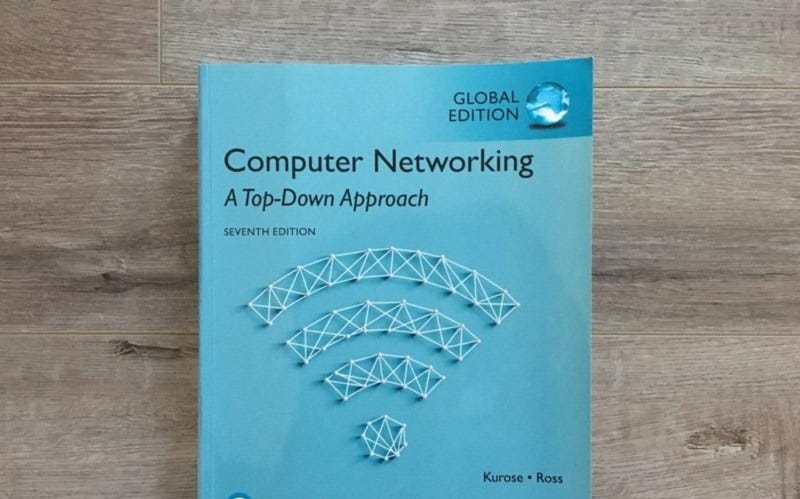
What it teaches
This book teaches you the physical and digital rules of the internet that every distributed system must follow.
Key Topics
The TCP IP stack and HTTP protocols and DNS and Load Balancing and the physical layer of data movement.
Why it is essential
Understanding networking fundamentals prevents you from making architectural mistakes that stem from simple network limits.
More books worth considering
For those who want to dive even deeper into specific niches like microservices or database internals here are ten additional high quality resources.
Building Microservices by Sam Newman
A comprehensive guide to the distributed architecture style including modeling and integration and testing.
Clean Architecture by Robert C Martin
Focuses on the internal structure of software to ensure it remains maintainable and flexible over time.
Database Internals by Alex Petrov
A deep dive into how storage engines and distributed systems work under the hood of a database.
The Art of Scalability by Abbott and Fisher
Provides a broad overview of scaling people and processes and technology using the Scale Cube model.
Patterns of Enterprise Application Architecture by Martin Fowler
A classic catalog of patterns for handling data and logic in complex enterprise systems.
Software Architecture The Hard Parts by Ford and Parsails
Focuses on the difficult trade offs and “no right answer” decisions in distributed architectures.
Kafka The Definitive Guide by Gwen Shapira
The primary resource for understanding event streaming and how to build asynchronous pipelines.
Web Scalability for Developers by Artur Ejsmont
A very practical look at scaling web applications from one server to millions of users.
High Performance Browser Networking by Ilya Grigorik
Essential for understanding how to optimize the “last mile” of performance between the browser and the server.
Distributed Systems Concepts and Design by Coulouris
A heavy academic text that covers the theoretical foundations of distributed computing in great detail.
The Next Step
If you are just beginning your journey start with Designing Data Intensive Applications for theory and Alex Xu’s guide for practice. The other books will help you specialize as you progress in your career. Happy reading.
Excellent. Something I’ve been keen on lately.