


When Spotify set out to redefine music streaming in 2008, speed wasn’t just a luxury, it was the heart of their promise.
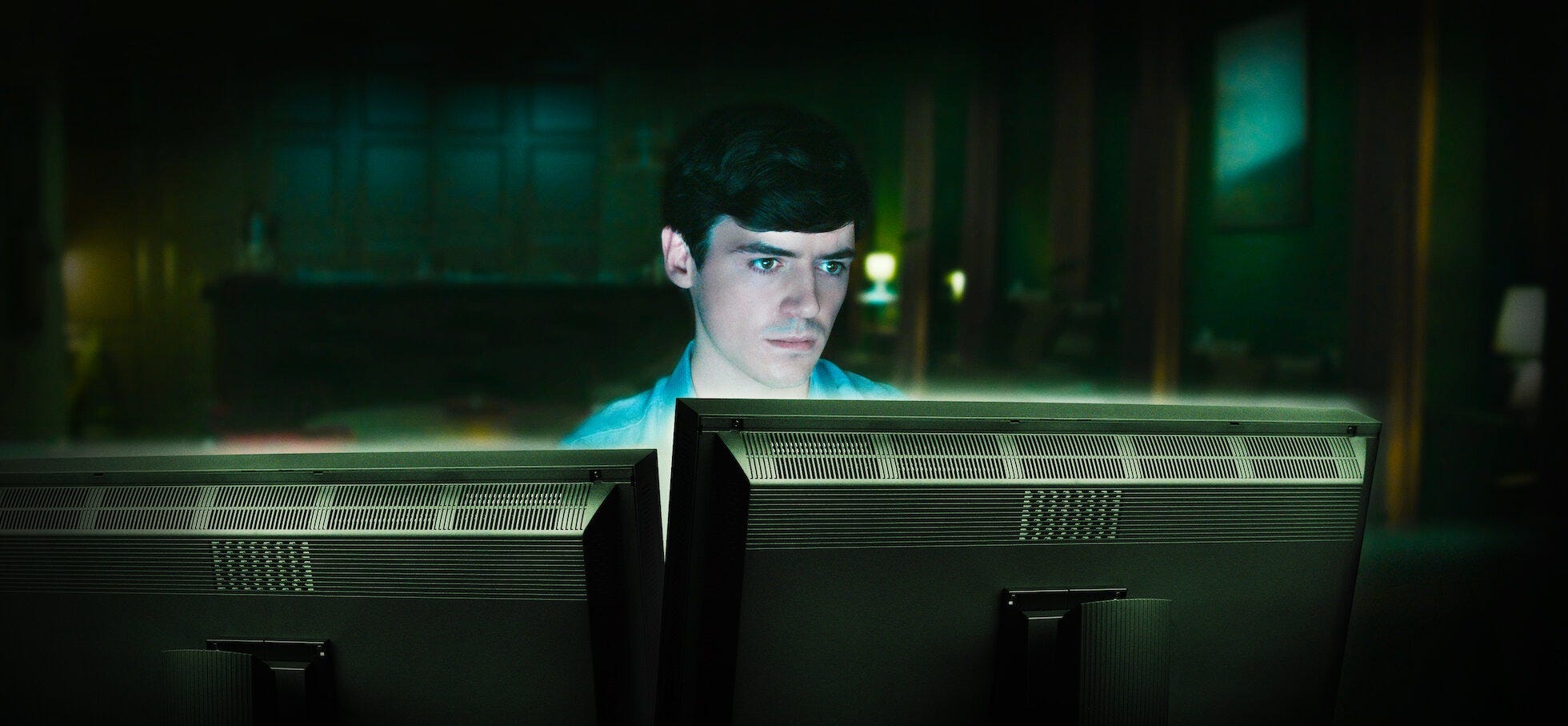
In the dramatized series “The Playlist,” there’s an episode called “The Coder” that captures this engineering magic. It gives us a glimpse into how Spotify’s wunderkind engineers shattered conventions and invented new tech principles, all in the pursuit of speed over tradition.
The Challenge
Streaming Music Without Lag. Spotify’s founders, Daniel Ek and Martin Lorentzon, understood that to win listeners away from piracy and slow downloads, they needed instant playback and minimal delay. At that time, streaming technology typically prioritized reliability (guaranteed packet delivery) rather than speed. For most network engineers, the dominant protocol was TCP, trusted to get every data packet to its destination, even if that meant occasional delays and sluggish performance in real-world internet conditions.
But for streaming music, this wasn’t good enough. Audiences expected their playlists to play immediately, without buffering or interruptions.
The Out-of-the-Box Solution
Enter Spotify’s ace coder, Andreas Ehn (Spotify’s first CTO), who led the tech team. Rather than relying solely on TCP, Ehn and his crew took inspiration from gaming and real-time communication, they developed a custom network layer that leveraged UDP (User Datagram Protocol) instead of TCP.
UDP trades the guarantee of packet delivery for blazing speed, firing off data packets as fast as the network allows, no waiting to confirm arrival. For Spotify, this was revolutionary. Rather than hanging on to every lost packet, the app could simply skip ahead and keep the music flowing, prioritizing uninterrupted playback over perfect fidelity. If a tiny part of the song skipped, most listeners wouldn’t notice, but everyone benefited from near-instant play.
Spotify also innovated by caching music files locally, meaning that once a song was streamed it could be instantly replayed, and the next tracks could start showing up on the device before you hit “next.”
Breaking the Rules to Write New Ones
Spotify’s team broke the age-old engineering axiom “Never lose a packet.” Instead, they embraced the real constraint, speed.
They also built peer-to-peer file sharing into the early architecture, enabling songs to be streamed not just from Spotify’s servers, but also directly from other users’ computers nearby. This defied conventional wisdom about music distribution and server loads, a risk that paid off with mind-blowing performance and scalability.
The result? Spotify transformed slow, buffered music downloads into seamless, unbroken streams. Songs felt “alive”, ready to play the instant you pressed them. The network layer rewrite wasn’t just a technical improvement. It was a mindset shift and demonstrate how engineers can, and must redefine the rules when the constraints demand it.
The Big Lesson
Creative Problem-Solving Under Constraint. What set Spotify’s approach apart?
Relentless focus on the actual use case (speed) rather than blindly relying on accepted best practices (packet guarantee).
Seeing failure as design space, if a packet drops, the world doesn’t end.
Leveraging constraints (internet speed, user impatience) to foster innovation.
Spotify’s engineering team turned constraint into a virtue, showing that genuine technical progress comes not from sticking to tradition, but by rewriting the rules in pursuit of a bold new goal.
Why This Matters
Today, Spotify serves billions of streams a day, all echoing that original decision to value speed and experience above dogma. It’s a powerful example for innovators everywhere
Problem solving means understanding the real requirements and constraints.
Sometimes, the best breakthroughs come from tossing out old principles and inventing new ones.
Spotify’s protocol choices didn’t just enable instant streaming, they set a new industry benchmark for media delivery. Today, many streaming apps use hybrid approaches with both TCP and UDP, custom buffering, and dynamic adaptation, all inspired by iconoclastic thinking.
So the next time your favorite song starts instantly, remember, it took a team of engineers who weren’t afraid to hack the rules, ditch convention, and invent new tech under the pressure of real-world constraints.
If you haven’t watch the series, I must recommend to Watch it on Netflix